Nighttime Monitoring for Epilepsy Families — Beyond the Camera
Dovy Paukstys
Founder, Komori Care
Important: Komori does not detect seizures. Komori is not a medical device, is not FDA-cleared, and is not intended for people with epilepsy. Epilepsy and SUDEP research is conducted separately with clinical and research partners under appropriate protocols — that research is gated and is not commercially available. Households living with epilepsy should consult a neurologist or epileptologist and use clinically validated seizure-detection devices as directed by their care team.
This page is not a product comparison and it does not recommend anything you can buy. It is about one specific decision a lot of epilepsy households make early and then never revisit: putting a camera in the bedroom.
How the baby monitor became the default
Almost nobody chooses a camera after evaluating alternatives. It is chosen because it is the object already in the house, or the one a search returns first, and because the alternative feels like doing nothing.
The reasoning underneath is sound. Seizures during sleep are harder to observe than daytime events, and the Epilepsy Foundation describes SUDEP as occurring most often at night or during sleep, when the death is often unwitnessed. Families are trying to close a gap they have correctly identified. The night is where epilepsy care falls apart is the structural version of that same gap.
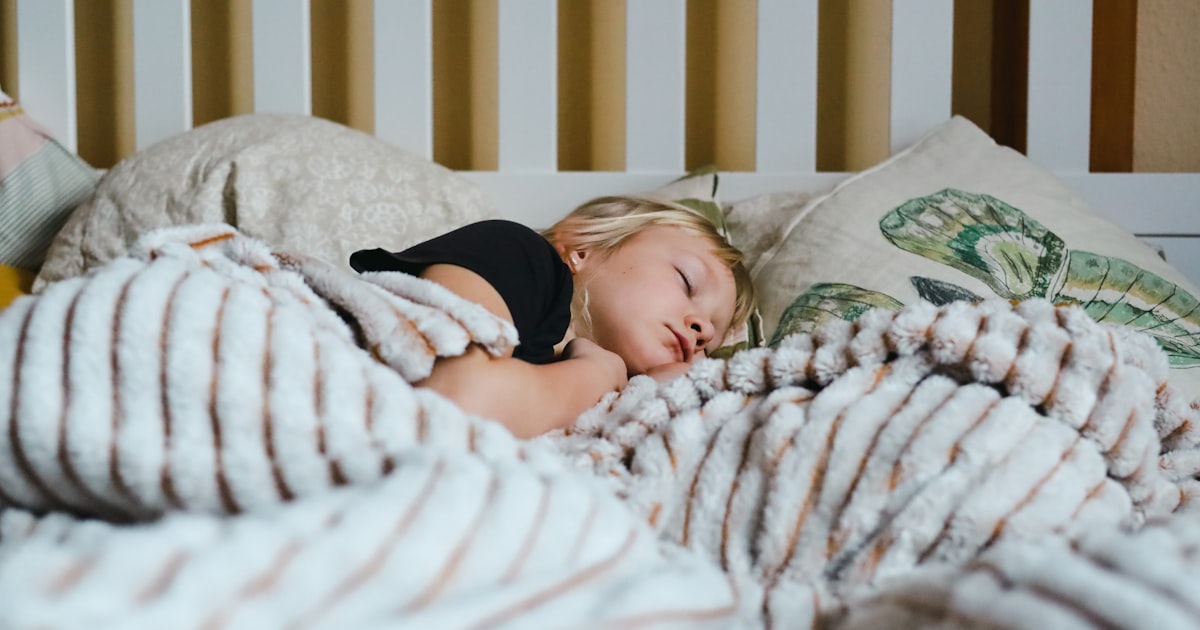
So a monitor goes up. A parent sleeps with one eye on a screen. A baby monitor gets installed for a teenager who would be mortified if their friends knew. It works, in the sense that it is better than nothing, and it carries costs that rarely get named out loud.
Want a follow-up on this topic? Get a note when Komori launches (2027)
One email when the contactless monitor ships, plus the occasional short follow-up on this topic. No spam, leave any time.
The blind spots are literal
The limits of a bedroom camera are physical, not a matter of buying a better one:
- It cannot see through a duvet. What a camera captures is the top of the bedding. That is a real problem when the position of the person underneath is part of what the Epilepsy Foundation's sleep-safety page asks households to think about — that page tells people to avoid sleeping on the stomach, and says studies seem to suggest that being face down in the bedding may be a factor.
- It needs light. At night that means either a lamp on, which affects sleep, or infrared, which a lot of people find no less intrusive than visible light.
- It stops the moment the lens is covered. A towel, a turned monitor, a pillow. Usually accidental, sometimes not, and almost always silent — the feed looks fine until someone checks it.
The problem nobody budgets for
Continuous video only helps if a human reviews it.
An overnight recording is a full night of footage produced every single night, and it accumulates whether or not anyone has time. In practice most of it is never watched. What families end up with is not a monitoring system but an archive, plus the standing guilt of not having looked at it.
That is worth saying plainly because the failure mode is invisible. A camera that nobody reviews looks exactly like a camera that is working.
Dignity is not a minor objection
For a young child this may not register. For a teenager or an adult with epilepsy it is often the entire conversation, and it is frequently the reason a monitoring arrangement quietly stops being used.
Being filmed while asleep, every night, in your own bedroom, is a significant thing to ask of someone — and a monitoring plan that the person being monitored resents is a plan with a short life. Families describe wanting awareness rather than surveillance: some sense of whether the night was unusual, without a video record of it existing.
That distinction is worth raising explicitly with the person being monitored, particularly if they are old enough to have a view. A plan they have agreed to is more durable than one imposed on them.
What to take to the care team
The useful move is not a different purchase. It is a specific conversation.
Identifying or classifying seizures requires clinical-grade EEG and a neurologist. No consumer device does that, and any product implying otherwise is overreaching. What a care team can do is tell you whether a clinically validated seizure-detection device is appropriate for this person's seizure types, and what nighttime precautions make sense given how they actually live.
Questions worth writing down before the appointment:
- Which seizure types does this person have, and are any of them the kind a validated detector can reliably see?
- Has the clinic discussed SUDEP directly? The Epilepsy Foundation tells people to ask if it has not come up.
- Do the nighttime precautions on the Foundation's sleep-safety page apply here — sleeping position, sharing a room, clearing the area, pillow count?
- If seizures tend to happen only during sleep, should the timing of medication be part of the discussion?
None of those has a product as its answer, which is the point. The strongest public-health message in the AAN/AES counseling guideline is seizure control under a clinician, not a device in the room. What SUDEP is and is not covers what that guideline actually says.
Keep reading
- Night monitors: seizure detection vs sleep position — the honest split between the two categories of device, and why they are not substitutes.
- The night is where epilepsy care falls apart — why this gap exists structurally.
- What SUDEP is and is not — the guideline, the numbers, and the counseling points.
- When the parent is the monitor — the cost of the arrangement this page describes.
Want a follow-up on this topic? Get a note when Komori launches (2027)
One email when the contactless monitor ships, plus the occasional short follow-up on this topic. No spam, leave any time.
Keep reading
Want to see your sleep position data?
Join the free waitlist for launch updates. Or lock in founder pricing with the Insider Pass ($49, credited toward your purchase).