Sleep Apnea Without a CPAP: What Position Data Can Tell You
Dovy Paukstys
Founder, Komori Care
Important: Komori is not a diagnostic device. Komori does not screen for, diagnose, or treat sleep apnea. The educational content below is for general awareness; clinical evaluation of suspected sleep apnea requires a sleep medicine specialist and a proper sleep study.
The CPAP Problem Nobody Talks About
CPAP machines work. That's not in dispute. Continuous positive airway pressure is the gold standard treatment for obstructive sleep apnea, and when used correctly, it eliminates apnea events almost completely.
Here's the problem: roughly half of people prescribed a CPAP don't use it consistently.
That's not a small compliance gap. That's a 50% failure rate for the most widely prescribed sleep apnea treatment in existence. Patients cite discomfort, claustrophobia, dry mouth, mask leaks, noise, and the general indignity of strapping a machine to your face every night.
So what happens to those people? Most just... live with untreated sleep apnea. They snore, they stop breathing, they wake up exhausted, and they accumulate cardiovascular risk year after year. Some try oral appliances. A few get surgery. But there's an entire category of treatment that remains dramatically underused: positional therapy.
A quick note before we go further: Nothing in this post is medical advice. Sleep apnea is a real medical condition with real cardiovascular consequences, and it needs to be managed with a sleep medicine professional. What follows is a look at the research on positional therapy — worth knowing about, worth asking your doctor about, but not something to self-prescribe.
Want a follow-up on this topic? Get a note when Komori launches (2027)
One email when the contactless monitor ships, plus the occasional short follow-up on this topic. No spam, leave any time.
What Is Positional Sleep Apnea?
Not all sleep apnea is created equal. For a significant subset of patients — estimates range from 50% to 60% of people with OSA — apnea events happen primarily or exclusively when sleeping on their back (supine position).
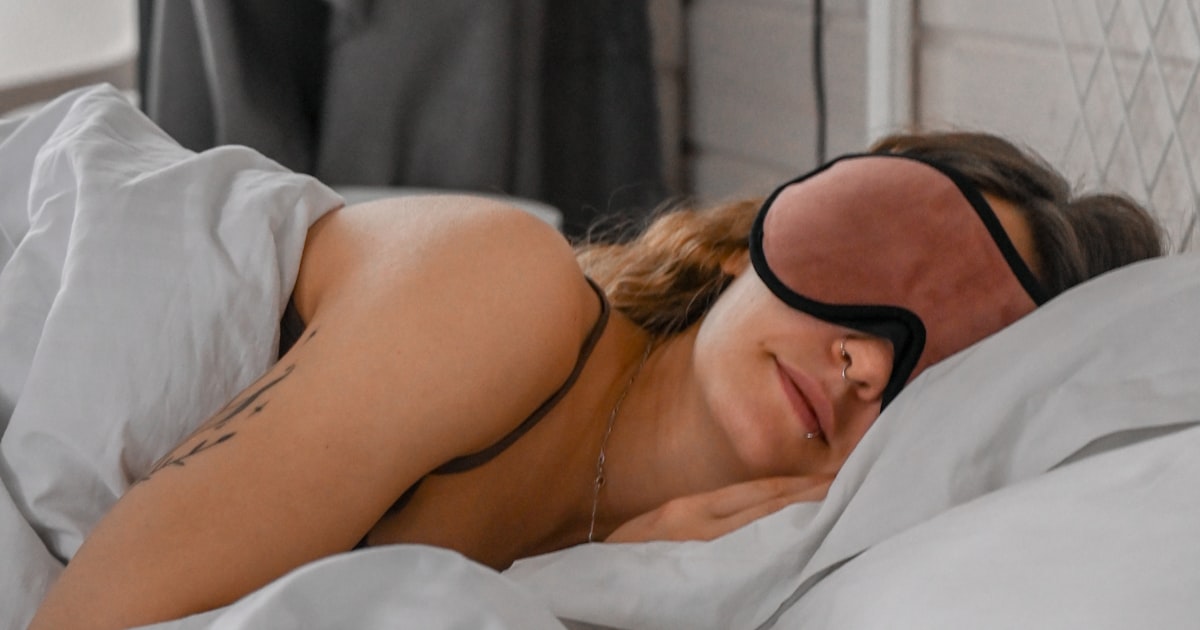
This is called positional obstructive sleep apnea (POSA). When these patients sleep on their side, their airway stays open. When they roll onto their back, gravity pulls the tongue and soft palate backward, obstructing airflow. This same mechanism drives positional snoring — the two conditions are closely related.
The clinical definition: your AHI (apnea-hypopnea index) while supine is at least twice your AHI in non-supine positions. Some researchers use a stricter criterion — supine AHI at least double non-supine, AND non-supine AHI under 5 (which would be considered normal).
If you meet that criteria, positional therapy can reduce events for some people — but talk to your sleep doc first. This isn't a DIY decision, and CPAP may still be the right call depending on your severity.
Why Position Therapy Is Underused
If position therapy works for half of OSA patients, why isn't every sleep doctor recommending it?
First, diagnosis is imprecise. A standard overnight polysomnography (sleep study) captures one night in a lab. You might spend more or less time on your back than usual because you're in a strange bed with wires glued to your head. One night doesn't tell you your habitual sleep position distribution.
Second, the old methods were crude. The original "position therapy" was the tennis ball technique — literally sewing a tennis ball into the back of your pajamas so it's uncomfortable to sleep supine. It works short-term, but long-term compliance is terrible because, shockingly, people don't enjoy sleeping on a tennis ball.
Third, there's no ongoing monitoring. Even if a patient starts position therapy, how do you know it's working? Without nightly position data, neither you nor your doctor can verify that you're actually staying off your back. You might start the night on your side and roll supine at 2 AM without knowing it.
Why Sleep Position Is Hard to Self-Assess
Here's a basic fact: most people have no idea what position they actually spend most of the night in. You fall asleep in one position and wake up in another, and everything in between is a mystery. You might think you're a side sleeper because that's how you fall asleep, but you could be spending hours supine without knowing it.
That is a research and self-awareness gap, not a clinical assessment gap. Clinical evaluation of suspected OSA — including positional OSA — is done through a sleep study ordered by a sleep medicine specialist, not through consumer-device data.
The Numbers That Matter
Let's put some research numbers behind this.
A 2015 meta-analysis in Sleep and Breathing found that positional therapy reduced AHI by an average of 54% in patients with positional OSA. That's clinically meaningful — for many patients, it's the difference between moderate apnea and normal breathing.
A study in the Journal of Clinical Sleep Medicine compared positional therapy devices to CPAP in patients with positional OSA. CPAP was slightly more effective at reducing AHI, but positional therapy patients had significantly better compliance. Over the long run, the treatment you actually use beats the treatment sitting in your closet.
Here's the key stat: CPAP adherence at one year is roughly 50-60%. Positional therapy device adherence in similar studies has been reported in the 70-80% range. The best treatment is the one you'll actually use every night.
Who This Works For (And Who It Doesn't)
Position therapy isn't a universal solution. Let's be clear about who benefits:
Good candidates:
- Mild to moderate OSA (AHI 5-30)
- Positional OSA confirmed — events primarily occur supine
- CPAP intolerant or non-compliant
- Young, non-obese patients (though it works across demographics)
Not good candidates:
- Severe OSA (AHI over 30) — you need CPAP or another primary treatment
- Non-positional OSA — events happen regardless of position
- Central sleep apnea — different mechanism entirely
The gray area: Some people with moderate OSA that's partially positional. Position therapy might reduce but not eliminate their apnea. In those cases, it might work as a complement to other treatments — positional therapy plus an oral appliance, for example.
The Conversation With Your Doctor
Position therapy is a clinical decision. Whether it's appropriate for you — and whether it should be used instead of, or alongside, CPAP — is a discussion to have with a sleep medicine professional after a proper sleep study. Do not self-prescribe positional therapy based on consumer-device output.
What to Do Right Now
If you suspect sleep apnea, see a sleep medicine specialist. They will order a proper sleep study (PSG or HSAT), which is the only clinically valid way to assess and treat OSA. Do not bring consumer-device data to that appointment as a substitute for clinical evaluation. Komori does not diagnose, screen for, or treat sleep apnea.
Keep reading
- Chronic pain and sleep position — the other condition where the 'best' position is personal.
- What a pulse oximeter actually sees at night — what overnight blood-oxygen numbers from watches and finger clips can and can't tell you.
- Women's sleep has been understudied: why apnea screening questions and device validation often fit women worse.
Join the waitlist and get the guide
Four pages, free: all four positions side by side across reflux, snoring, back, shoulder, neck and pregnancy — plus how strong the evidence behind each row actually is, and the pillow setup for each.
Positional therapy only helps if you hold the position. That is the part nobody measures.
Keep reading
Want to see your sleep position data?
Join the free waitlist for launch updates. Or lock in founder pricing with the Insider Pass ($49, credited toward your purchase).